Tag: fatigue after 50

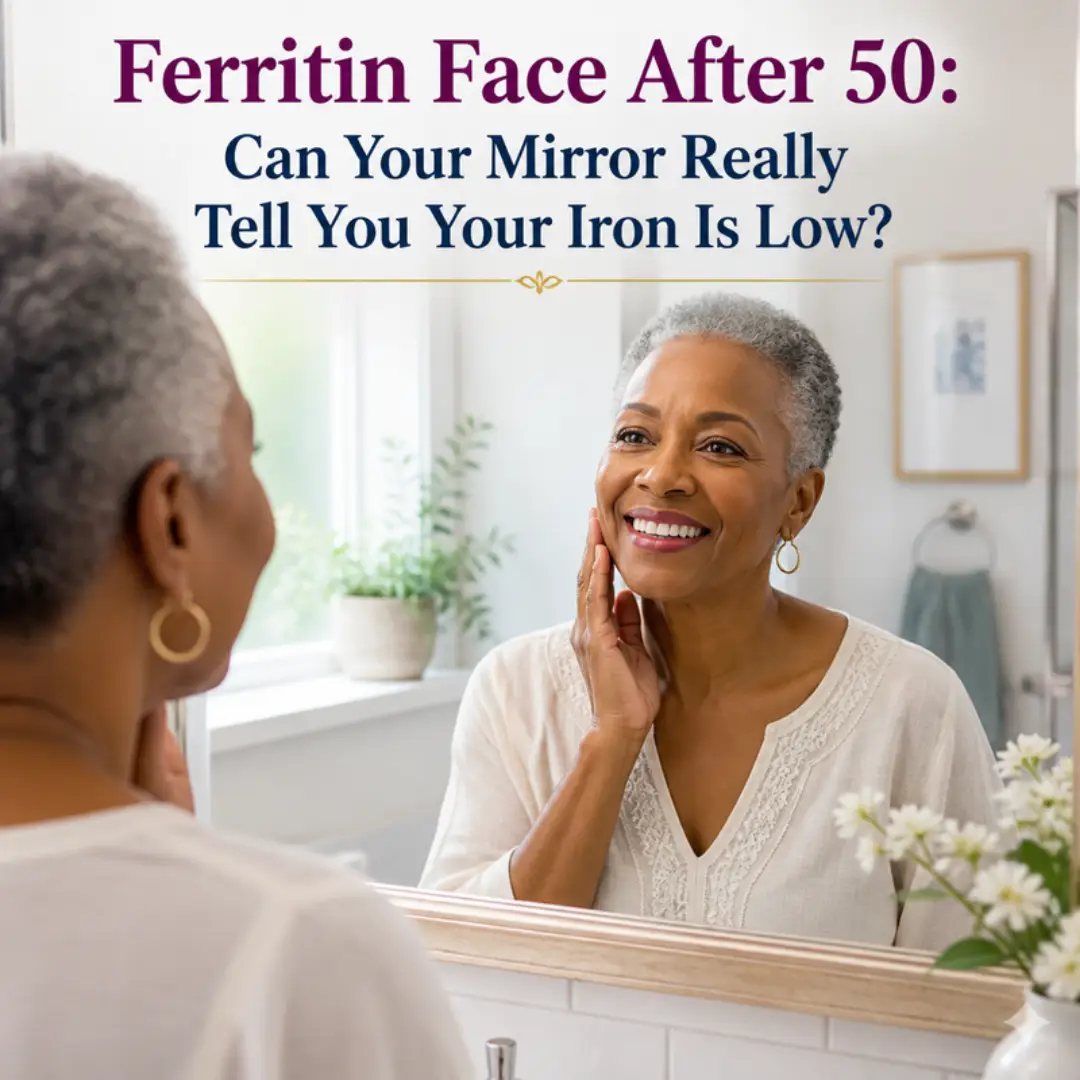
  • Ferritin Face After 50: Can Your Mirror Really Tell You Your Iron Is Low?

    Ferritin Face After 50: Can Your Mirror Really Tell You Your Iron Is Low?

    The TikTok trend everybody’s talking about, the real people behind it, and the simple test that gives you the actual answer

    By Tom Green | Sturdy Years

    Can ferritin face tell you your iron is low?

    Short answer: No, you can’t read low iron in the mirror. A tired look or thinning hair can come from sleep, stress, hormones or what you eat. The real answer is a simple, low-cost ferritin blood test, so if you’re worried, ask your doctor to check it.

    Nutrition lecturer Chloe Casey put it about as good as anybody could when she wrote, “The latest skincare trend taking over TikTok is a blood test.” She’s talking about “ferritin face,” and if you’ve been on TikTok or Facebook this fall you’ve probably seen it, folks holding their phones up close to show off their dark circles and pale skin and the hair in their brush and saying it all comes down to low iron. Vogue reported the hashtag has passed 16 million views and searches for it over in the UK have jumped 5,000 percent since October.

    I’d bet a lot of y’all took a long look in the mirror after hearing about it, I know I would have. So I spent some time reading what real people and real writers have been saying about it, and I came away feeling pretty good, because the real answer is a whole lot simpler and cheaper than anything you’ll see in those videos.

    Think of ferritin like a savings account

    Dr. Jen Gunter, who wrote The Menopause Manifesto and writes a newsletter called The Vajenda, explains it the best way I’ve heard. Ferritin is a protein that stores iron, and she says to think of it like a savings account for your iron. Your body makes withdrawals to build red blood cells and grow hair and keep your energy up, and when the account runs low you can start feeling it. She also points out that a regular blood count by itself isn’t enough to catch it, you need that ferritin number.

    That’s the part of the trend that’s true. You can be dragging around tired and finding more hair in the shower than you used to, and your regular blood work can still come back looking just fine.

    But you can’t read your iron in the mirror

    Chloe Casey made the point that low ferritin doesn’t give you some special look you can spot, because sleep and stress and hormones and what you eat can all make a face look tired. Dermatologist Dr. Regine Mathieu told Vogue that ferritin face isn’t even a real diagnosis, it’s just a name social media came up with. And Dr. Rachel Ho, who runs a skin clinic and writes a blog about skin and aging, wrote that dark circles come from things like blood vessels showing through, pigment and shadows, and you can have low iron and dark circles at the same time without one causing the other.

    After 50 the skin under our eyes gets thinner anyway, so most of us are going to see a little darkness there no matter what our iron is doing. I wrote a whole post about that one, why we get dark circles and puffy eyes after 50. Same thing goes for hair, low iron can cause shedding but so can stress and hormones and thyroid trouble, and I covered that side of it in my post on thinning hair after 50.

    You know the old saying, you can’t judge a book by its cover, and it turns out you can’t judge your iron by your face either.

    The stories that stuck with me

    Dr. Jeff Donovan is a hair loss doctor who answers reader questions on his blog, and one letter came from a healthy, fit woman in her mid-50s whose hair started falling out right around the time menopause showed up. She said it felt like she’d lost half her hair. Her ferritin turned out to be 15, and he told her straight that some women her age run 50 and some run 150 but 15 is low, and that it was worth fixing as long as she and her doctor also found out why it got that low. There was an answer for her, and it was one blood test away.

    Over in the comments on Dr. Gunter’s newsletter, one woman wrote that her doctor finally paid attention when she mentioned she’d been craving ice something fierce, and another said she went out and found a menopause specialist and asked for the test after reading about it. I love that, because that’s women speaking up for themselves and getting answers.

    Fellas, this part is for you too. A retired man on the Early-Retirement.org forum wrote that his routine blood test showed his ferritin was high, around 400, and his doctor didn’t think much of it because it was still inside the lab’s normal range. He started giving blood, and once his number came down under 200 he said the trouble he’d been having was basically gone. He was careful to say that’s just one man’s experience, but I like that his fix was helping somebody else at the blood bank at the same time.

    And a young blogger who goes by toska wrote about months of feeling worn out and losing hair before finally getting the low iron figured out and treated. The energy came back and so did the hair, and since running had to go on hold for a while, toska bought a bike, fell in love with cycling and now rides all over the city. Sometimes the detour turns out better than the road you were on.

    Why this is a little different after 50

    Most of those TikTok videos are young women, and young women who still have periods really do run low on iron a lot. After 50 the story changes. Once a woman is through menopause her body needs about the same small amount of iron a man does, and men don’t usually run low at all.

    So if a test does show your iron is low after 50, look at it like your body raising its hand. Your doctor is going to want to find out why, and catching things early is good news, not bad news.

    And please don’t go buy a bottle of iron pills because of a video. Chloe Casey warned that too much iron is toxic, and Mayo Clinic says iron pills usually aren’t recommended for women past menopause unless a test shows they need them. Older folks hang on to extra iron more easily since we’re not losing it like we used to, and some people carry a family trait that makes their body store too much, which usually doesn’t show itself until after 50. Iron pills are for when a blood test says you need them, not before.

    Now if your test does come back low and your doctor tells you to take iron, ask them which kind and how much. Iron bisglycinate is a form a lot of folks find easier on the stomach than the old-school iron pills. If your doctor’s good with it, THORNE Iron Bisglycinate 25 mg is one I’d look at. Just take it the way your doctor says, and get your ferritin checked again later so you know when you’ve got enough. (That’s an affiliate link, so I may earn a small commission at no extra cost to you.)

    What I’d do if I were wondering about my iron

    Quit studying your face and just ask for the test. Next time you’re at the doctor, ask for a ferritin test along with your regular blood work. It’s one small tube of blood and you’ll know for sure instead of guessing off a video.

    If you’ve been really tired for a while, or getting winded on the stairs, or finding a lot more hair in the drain than usual, go ahead and bring it up sooner instead of waiting on your next checkup.

    In the meantime, eat like your iron matters, because it does. Lean beef, chicken, fish, beans, lentils and greens like spinach are all good sources, and if you eat them with something that has vitamin C like tomatoes or peppers or a glass of orange juice, your body soaks up more of the iron.

    Here’s an old country trick that actually holds up, cooking in a cast iron skillet can add a little iron to your food, so if you’ve got one sitting in the cabinet go ahead and put it to work. And drink your coffee and tea between meals instead of with them, because they get in the way of your body taking in iron.

    The bottom line

    Ferritin face is a little bit of truth wrapped up in a whole lot of hype. Your iron really can affect how you feel and how your hair and skin look, but you’ll never find out by staring in the mirror. One simple blood test will tell you, your doctor can help you sort out what it means, and for most of us the fix is some good food and a little patience.

    So don’t let a TikTok video make you feel bad about the face looking back at you. Those lines and shadows have earned their keep.

    Have you had your ferritin checked, or did this trend get you wondering? Tell me about it in the comments, I’d love to hear from the ladies and the fellas both.

    About the Author

    Tom Green writes Sturdy Years. He was born in Pell City, Alabama, in 1962, and he’s a country boy and a true Southerner through and through. He’s just a regular, laid-back 64-year-old who keeps things simple. He shares what he learns about skincare, fitness and getting older, and what’s working for him. He’s also the author of A Practical Guide to Getting Older Without Giving Up on Yourself.

    Tom isn’t a doctor. He reads up on the research and passes along what’s useful, plain and simple.

    Medical Disclaimer

    This article is for educational purposes and is not a substitute for professional medical advice. Talk with your healthcare provider before taking iron or any new supplement, and ask your doctor about a ferritin test if you have symptoms you’re worried about.

    Research and Further Reading

    I’ve also mapped out some great tools on my new Tech for Independent Living After 50 page.

  • Sleep and Energy: 5 Small Habit Changes for Better Wellness After 50

    Sleep and Energy: 5 Small Habit Changes for Better Wellness After 50

    What small habits improve sleep and energy?

    Short answer: Five small habits can make a big difference in your sleep and energy after 50: drink a glass of water first thing in the morning, take a 15-minute walk every day, swap a processed snack for fruit, go to bed 30 minutes earlier, and do a 5-minute stretch in the morning.

    Turning 50 was a major wake-up call for me. It made me realize that taking care of my health isn’t a chore—it is a gift. But I didn’t want to start a crazy diet or a grueling gym routine that would leave me feeling miserable. Instead, I decided to focus on small, gentle changes.
    It turns out that tiny habits add up to massive results! Here are five small daily changes that completely transformed how I feel every single day.
    1. Drinking water first thing in the morning
    Before I reach for my morning coffee, I now drink one full glass of water. It sounds so simple, but it wakes up my body and gives me instant energy. My skin looks better, and it prevents that mid-day sluggish feeling.
    2. Taking a 15-minute daily walk
    I don’t run marathons, but I do lace up my shoes and walk around the neighborhood every day. Sometimes it is right after dinner to help with digestion. This short walk keeps my joints moving, clears my mind, and gives me a breath of fresh air.
    3. Swapping a processed snack for fruit
    I used to reach for cookies or chips when I got the afternoon munchies. Now, I keep bananas, apples, or berries on the kitchen counter. Swapping the heavy snacks for natural fruit keeps my blood sugar stable so I don’t crash later.
    4. Going to bed 30 minutes earlier
    Sleep is our body’s natural medicine. By turning off the TV and winding down just half an hour earlier than usual, I feel completely different when my alarm goes off. I wake up feeling rested instead of tired.
    5. Doing a 5-minute morning stretch
    When we get over 50, our muscles love to stiffen up overnight! I spend just five minutes stretching my arms, legs, and back right next to my bed. It takes away the morning aches and helps me move easier all day long.
    Small steps lead to big wins!
    Getting healthier doesn’t mean you have to change your entire life overnight. Pick just one tiny habit today and see how it makes you feel. Your body will thank you for it!
    What about you? What is one small health habit you are trying to build right now? Let me know in the comments below!

    Common Questions

    How can small habits improve sleep and energy after 50? Small, consistent habits such as keeping a regular sleep schedule, getting daily movement, staying hydrated, and winding down before bed can support better sleep and daytime energy. Why do I feel more tired as I get older? Changes in sleep, activity, stress, medications, health conditions, and daily routines can all affect energy. Persistent or unusual fatigue is worth discussing with a healthcare professional. How much sleep do adults 50+ need? Most adults need about 7 to 9 hours of sleep each night, although individual needs can vary. Can drinking water in the morning help with energy? Staying hydrated supports normal body function. If you wake up thirsty, a glass of water can be a simple way to start the day hydrated. Is a short daily walk worthwhile after 50? Yes. A short walk is still movement, and regular physical activity can support cardiovascular health, mobility, mood, and overall well-being. Can eating fruit instead of processed snacks help? Fruit provides fiber and nutrients and can be a practical alternative to many highly processed snack foods. What matters most is the overall pattern of your diet. Does going to bed 30 minutes earlier really matter? If you are regularly getting less sleep than you need, even a modest earlier bedtime may help you move toward a healthier sleep schedule. Why do I feel stiff when I wake up? Stiffness can have many causes. Gentle movement and stretching may help some people, but persistent pain or significant stiffness should be discussed with a healthcare professional. What is the easiest habit to start with? Pick one habit that feels realistic enough to repeat every day. A small change you actually keep doing is more useful than an ambitious plan you quickly abandon. When should tiredness be checked by a doctor? If fatigue is persistent, severe, worsening, or accompanied by other concerning symptoms, talk with a healthcare professional rather than assuming it is simply part of getting older. Practical takeaway: You do not need to overhaul your life to feel better. Start with one small habit, give it time, and build from there. A gentle well-being note: This article is for general wellness information and is not a substitute for medical advice. If ongoing sleep problems or fatigue are affecting your daily life, talk with a qualified healthcare professional.

    Keep Reading

    Written by Tom Green, creator of Sturdy Years Tom Green writes Sturdy Years. He was born in Pell City, Alabama, in 1962, and he’s a country boy and a true Southerner through and through. He’s just a regular, laid-back 64-year-old who keeps things simple. He shares what he learns about skincare, fitness and getting older, and what’s working for him. He’s also the author of A Practical Guide to Getting Older Without Giving Up on Yourself. Tom isn’t a doctor. He reads up on the research and passes along what’s useful, plain and simple.

    I’ve also mapped out some great tools on my new Tech for Independent Living After 50 page.
  • Why Am I So Tired After 50? 7 Habits and Medical Causes

    Why Am I So Tired After 50? 7 Habits and Medical Causes

    Why are you so tired after 50?

    Short answer: Being tired after 50 is common, but it isn’t something you just have to accept. The usual culprits are irregular sleep, too little movement, uneven eating, late caffeine and stress. If you’re still worn out after fixing those for a couple of weeks, see your doctor. Anemia, thyroid problems, sleep apnea, medications and low mood are common causes that are easy to check.

    If you are tired after 50, the answer isn’t necessarily age. Sleep quality, medication side effects, anemia, thyroid conditions, mood and daily habits can all matter. Here’s a practical way to sort out which changes you can make—and which symptoms deserve a medical check.

    Being tired after 50 is easy to blame on age. Sometimes getting older does change sleep, recovery and energy. But “I’m just getting old” can also become an excuse for ignoring habits—or symptoms—that deserve attention.

    If your energy has changed, I think it is worth looking at the ordinary things first. They are not glamorous, but they are often the things we can actually change.

    1. Inconsistent sleep

    Going to bed and waking up at wildly different times can make it harder to feel rested. One bad night is not a disaster, but a pattern of poor sleep can affect how you feel and function.

    2. Sitting most of the day

    It sounds strange, but being inactive can leave you feeling sluggish. You do not have to turn every day into a workout. Short walks, standing breaks and regular movement can help break up long periods of sitting.

    3. Skipping meals and then overeating

    Long gaps without food can leave some people feeling drained and then reaching for whatever is easiest later. A more consistent pattern of nutritious meals may make energy easier to manage.

    4. Not eating enough protein or overall nutrition

    Protein matters for maintaining muscle, but energy also requires enough total food and a balanced diet. If you are trying to lose weight by eating very little, feeling exhausted may be a sign that the approach needs reconsideration.

    5. Caffeine too late

    Caffeine can be useful, but using it late to compensate for poor sleep can create a cycle: tired during the day, caffeine later, worse sleep, tired again tomorrow.

    6. Training harder than you can recover from

    Exercise is valuable, but more is not automatically better. If every workout leaves you exhausted for days, the program may be asking for more recovery than you can provide.

    7. Carrying stress without real downtime

    Your body does not know that you planned to relax “someday.” Constant stress and constant stimulation can make it difficult to feel recovered even when you technically have free time.

    5 Energy Fixes You Can Try Today

    • Get outside in the morning. Ten minutes of daylight helps wake up your body clock.
    • Drink a glass of water first. Mild dehydration can feel a lot like fatigue.
    • Put protein in your breakfast. Eggs, Greek yogurt or cottage cheese keep energy steadier than a pastry.
    • Take a 10-minute walk after lunch. It beats the afternoon slump better than another coffee.
    • Set a coffee cutoff around 2 p.m. Better sleep tonight means more energy tomorrow.

    Sleep timing matters more than most people realize. I dug into the research in could your sleep schedule affect how long you live after 50.

    Don’t automatically call fatigue aging

    Persistent, unexplained, severe or worsening fatigue can have medical causes. If tiredness interferes with normal life or comes with other concerning symptoms, talk with your healthcare professional rather than trying to solve it with supplements.

    Three Experts Who Explain Why Fatigue Is Not Just Aging

    Family physician Dr. Jared Ankerman explains that ongoing fatigue can differ from an ordinary sleepy afternoon and may point toward anemia, thyroid problems, mood disorders or other underlying conditions. If rest isn’t making a difference, don’t assume another energy supplement will fix it.

    Sleep specialist Dr. Alicia Roth points out that you can spend plenty of hours in bed but still wake up worn out when conditions such as sleep apnea or restless legs interrupt sleep. That’s an important distinction when a regular bedtime alone isn’t helping.

    Endocrinologist Dr. Marwan Hamaty cautions against a fashionable but unsupported diagnosis offered as the explanation for every case of fatigue. Real causes vary, and a careful medical history and targeted evaluation matter more than buying an unproven remedy.

    A Seven-Day Energy Check Without Buying Anything

    For one week, note roughly when you sleep and wake, whether you snore or wake gasping, what medications you take, when you use caffeine, what meals you skip, and whether fatigue gets worse after activity. Rate your energy morning, afternoon and evening. Bring the pattern—not just the word ‘tired’—to your healthcare appointment.

    Keep changes simple: aim for a fairly regular sleep schedule, daylight or safe movement during the day, adequate meals and fluids, and a caffeine cutoff that protects your sleep. Don’t push through an illness or unexplained exercise intolerance just to hit a step goal.

    See a Doctor Soon If Your Tiredness Comes With…

    • Shortness of breath, chest pain or a racing heart
    • Unexplained weight loss or loss of appetite
    • Loud snoring, gasping at night or falling asleep during the day
    • Feeling cold all the time, hair thinning or dry skin (possible thyroid)
    • Pale skin, feeling dizzy or out of breath easily (possible anemia)
    • Low mood, losing interest in things you enjoy, or feeling hopeless
    • Fatigue that lasts more than a few weeks or keeps getting worse

    If chest pain or trouble breathing comes on suddenly, call 911.

    What Your Clinician May Want to Rule Out

    The National Institute on Aging’s fatigue guide lists anemia, sleep apnea, thyroid disease, diabetes, medication effects, chronic illness and mood conditions among potential contributors. Depending on symptoms and history, a clinician may review medicines, arrange blood tests or evaluate sleep. Don’t start iron or thyroid supplements without evidence of a need.

    Get prompt medical attention if fatigue comes with chest pain, difficulty breathing, fainting, new confusion or other severe symptoms. Persistent unexplained fatigue lasting weeks warrants an appointment even when it isn’t an emergency.

    Related: Why You Keep Waking Up at 3 AM After 50 and How Much Protein Do You Need After 50?.

    Common Questions

    Why am I still tired after 50?
    Everyday habits such as poor sleep, too little movement, dehydration, an unbalanced diet, and too much stress can contribute to feeling tired.

    What everyday habits can drain your energy after 50?
    Poor sleep habits, sitting too much, skipping nutritious meals, not drinking enough water, excessive alcohol, too much screen time, and chronic stress can all play a role.

    Can lack of sleep make you tired after 50?
    Yes. Poor-quality or insufficient sleep can leave you feeling tired even after spending enough time in bed.

    Can sitting too much make you feel tired after 50?
    It can. Long periods of inactivity may leave you feeling sluggish, while regular movement can help you stay more energized.

    Can what you eat affect your energy after 50?
    Yes. Meals built around protein, fiber-rich foods, fruits and vegetables, and other nutritious foods can provide more consistent energy than a diet dominated by highly processed foods.

    Can dehydration make you tired after 50?
    Yes. Not getting enough fluids can contribute to fatigue and feeling sluggish.

    Can stress drain your energy after 50?
    Yes. Ongoing stress can interfere with sleep, concentration, mood, and your overall sense of energy.

    What is the simplest way to improve energy after 50?
    Start with the basics: sleep well → drink enough water → move regularly → eat nutritious meals → manage stress → limit habits that interfere with sleep.

    When should tiredness after 50 be checked by a doctor?
    If fatigue is persistent, worsening, unusually severe, or comes with symptoms such as unexplained weight changes, shortness of breath, chest pain, weakness, or major changes in sleep or mood, talk with a healthcare professional.

    Practical takeaway: Before assuming you’re simply getting older, look at your everyday habits. A few small changes to sleep, movement, food, hydration, and stress may make a meaningful difference.

    My approach

    I think of energy as something I manage rather than something I am entitled to have unlimited amounts of. Sleep, food, movement, recovery and stress management all count.

    The goal is not to feel 25 again. It is to have enough energy for the life you actually want to live.

    General information and personal experience, not medical advice.

    About Tom Green

    Tom Green writes Sturdy Years. He was born in Pell City, Alabama, in 1962, and he’s a country boy and a true Southerner through and through. He’s just a regular, laid-back 64-year-old who keeps things simple. He shares what he learns about skincare, fitness and getting older, and what’s working for him. He’s also the author of A Practical Guide to Getting Older Without Giving Up on Yourself. Tom isn’t a doctor. He reads up on the research and passes along what’s useful, plain and simple.

    I’ve also mapped out some great tools on my new Tech for Independent Living After 50 page.