
What’s a simple self-care routine that actually helps?
Short answer: Self-care after 50 doesn’t have to cost a fortune. Start your day by moving your body, eat like your body still matters, keep skincare simple, make sleep a priority, keep the doctor’s appointments you’ve been putting off, and protect your mind and your relationships. Fellas, this goes for you too.
Self-care gets made to sound much more complicated than it needs to be. After 50, you can spend a fortune on products, appointments and wellness gadgets and still overlook the things that make the biggest difference in how you feel every day.
For me, a useful self-care routine is less about pampering and more about maintenance. Take care of your body. Take care of your skin. Give your mind some breathing room. And don’t keep putting off the health stuff because it is inconvenient.
The good news is that none of this requires a perfect schedule. You need a routine you can actually repeat.
Start Your Day With Your Body
You don’t have to wake up at 5 a.m. and complete a ten-step wellness routine. Start with movement.
A walk, some light mobility work, a workout or simply getting up and moving around regularly can help keep your body from becoming increasingly sedentary. If strength training is appropriate for you, it deserves a place in the routine too because maintaining muscle becomes increasingly important as we get older.
The goal isn’t to punish yourself for getting older. It is to keep giving your body a reason to stay capable.
Eat Like Your Body Still Matters
This sounds obvious, but it is easy to get careless with food when life gets busy. Skipping meals, living on snacks or relying on highly processed convenience foods can leave you feeling like you have no energy.
Try to build meals around foods that actually give you something: adequate protein, vegetables and fruit, whole grains or other high-fiber foods, and healthy sources of fat. You don’t have to eat perfectly. Consistency matters more than chasing a flawless diet.
Don’t Treat Skincare Like a Beauty Emergency
Skin changes after 50. It can become drier, thinner and less forgiving when you overdo products. That doesn’t mean you need an entire shelf of anti-aging treatments.
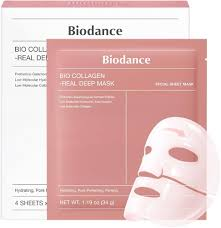
A simple routine can be enough for many people: gentle cleansing, moisturizer when you need it, and sun protection during the day. If you use active ingredients such as retinoids or exfoliating acids, introduce them thoughtfully rather than piling everything on at once.
And remember that skincare isn’t just for women. Men deal with dryness, sun damage, wrinkles and changing skin too.
Make Sleep Part of Self-Care
Sleep is one of those things people often sacrifice first and try to fix with coffee the next morning.
A regular sleep schedule, a reasonably comfortable sleep environment and a wind-down period can help. If you regularly have trouble sleeping or feel exhausted despite getting enough time in bed, that’s worth discussing with a healthcare professional rather than simply buying another supplement.
Take Care of the Appointments You’ve Been Avoiding
This may be the least glamorous part of self-care, but it matters.
Keep up with recommended health screenings and routine appointments for your age and personal health history. Get persistent symptoms checked instead of deciding they are simply part of aging. Stay on top of dental and vision care too.
Self-care is not only about how you look in the mirror. It is also about paying attention when something changes.
Protect Your Mind, Too
There is a difference between being busy and feeling fulfilled. After 50, it can be easy to let work, family obligations, responsibilities and other people’s expectations consume all the available space.
Make room for things you actually enjoy. Call a friend. Spend time outside. Read. Listen to music. Work on a hobby. Take the dog for a walk. Whatever gives you a genuine break from the constant list of things that need doing.
You don’t have to justify every enjoyable thing by making it productive.
Self-Care Includes Relationships
Staying connected matters. That doesn’t mean you need a huge social circle. A few people you can laugh with, talk honestly with or simply spend time around can be more valuable than hundreds of online connections.
If you have been withdrawing because life has gotten busy, make one small effort to reconnect. Send the text. Make the call. Have coffee with someone.
Men Need Self-Care Too
Self-care is sometimes presented as if it means spa days, beauty treatments and a collection of skincare products. There is nothing wrong with any of those things, but they are not the definition of self-care.
Men over 50 need the same basics: movement, adequate nutrition, sleep, grooming, social connection, preventive care and attention to changes in their health.
Taking care of yourself isn’t vanity. It is maintenance.
A Simple Weekly Reset
If you want something practical, pick one day each week and take 20 minutes to check in with yourself.
- What did I do this week that made me feel better?
- Did I move enough?
- Did I get enough sleep?
- Have I been eating reasonably well?
- Is there an appointment or health issue I’ve been avoiding?
- What is one thing I can do next week just because I enjoy it?
You don’t need to overhaul your life every Sunday. One or two small adjustments can be enough.
The Routine That Actually Works
The best self-care routine isn’t the most expensive one or the one that looks impressive on social media. It is the routine you can keep doing when life gets messy.
Move your body. Eat reasonably well. Protect your skin. Get enough sleep. Stay connected. Keep up with appropriate healthcare. And leave yourself some room to enjoy being alive.
That is a pretty good self-care routine at any age—and especially after 50.
A Realistic Daily Self-Care Routine After 50
Morning (10–20 minutes): Get up at a reasonably consistent time, drink water if thirsty, take prescribed medications as directed, eat a breakfast with some protein if you’re hungry, and get outdoors or move in a way you can safely manage. You don’t need to complete every item before 8 a.m.
During the day: Build in a walk or other movement, a nutritious meal, and one brief social interaction. If you work at a desk or sit a lot, stand and move regularly when possible. Even a short phone call counts as a deliberate connection.
Evening: Set yourself up for sleep with a calming wind-down, basic skincare if you use it, and a moment to prepare tomorrow’s medications or appointments. If insomnia persists, a clinician can help address underlying causes.
The Three Expert Perspectives I Think Are Most Useful
Researcher Dr. Julianne Holt-Lunstad has helped bring the health consequences of social isolation into public discussion. Her work is a reminder that reaching out to people is not a luxury add-on to self-care. See also her published paper on social-connection guidelines.
Geriatrician Dr. Carla Perissinotto coauthored a New England Journal of Medicine perspective with Holt-Lunstad about social isolation and loneliness as medical issues. That doesn’t mean everyone needs a large circle of friends; it means persistent isolation deserves attention, just as poor sleep or poor nutrition might.
Exercise researcher Maren Fragala led a published position statement on resistance training for older adults. The practical message: strength and function can benefit from a thoughtfully progressed exercise program, not just walking. If you’re new to exercise or have significant conditions, adapt the plan with professional guidance.
A Weekly Reset You Can Actually Finish
Choose one 20-minute slot: check upcoming appointments and prescriptions; plan a few affordable, nutritious meals; schedule two strength sessions if appropriate; and send one message to someone you want to stay connected with. You are planning a manageable week, not auditing your worth as a person.
If time or money is tight, start smaller still: a brief walk or chair movement, one call, and one meal that provides protein and vegetables. The point is repetition, not perfection.
When Ordinary Self-Care Isn’t Enough
Ongoing depressed mood, major fatigue, chest symptoms, persistent pain or significant sleep problems warrant medical attention. No morning routine or supplement should be presented as a substitute for diagnosis and care.
See our guides to getting enough protein after 50 and building muscle after 60.
Common Questions
What is a simple self-care routine for men and women 50+?
Focus on the basics: regular movement, nutritious food, enough sleep, skincare, time to relax, and staying connected with other people.
Why is self-care important after 50?
Self-care can help you stay active, support your overall well-being, and make everyday life more enjoyable.
What should a daily self-care routine include after 50?
A practical routine might include movement, hydration, nutritious meals, basic skincare, adequate sleep, and something you genuinely enjoy.
Can exercise be part of self-care after 50?
Absolutely. Walking, strength training, stretching, and other activities you enjoy can support physical function and overall wellness.
How important is sleep for self-care after 50?
Very important. Consistent, restorative sleep supports energy, mood, concentration, and physical recovery.
Should men and women 50+ have different self-care routines?
The basics are similar. Individual needs may differ based on health, fitness, skin type, lifestyle, and personal goals.
Can skincare be part of self-care after 50?
Yes. A simple routine of gentle cleansing, moisturizer, and daily sunscreen can be an easy way to care for your skin.
What can you do for your mental well-being after 50?
Make time for hobbies, friends, family, outdoor activities, relaxation, and activities that give you a sense of purpose.
Do you need a lot of time for self-care after 50?
No. Even small habits—such as a walk, a few minutes of stretching, a good night’s sleep, or time away from screens—can become useful parts of a routine.
What is the simplest self-care routine after 50?
Move your body → eat well → hydrate → care for your skin → sleep well → stay connected → make time for something you enjoy.
Practical takeaway: Self-care after 50 doesn’t have to be expensive, complicated, or time-consuming. The small things you consistently do for yourself can add up.
A gentle health note: Self-care isn’t a substitute for medical care. Persistent pain, major changes in energy or mood, sleep problems, or other concerning symptoms should be discussed with a healthcare professional.
This article reflects my personal perspective and general healthy-aging research. I’m not a doctor or healthcare professional, and this isn’t medical advice. Your needs can be different, so talk with a qualified healthcare professional about personal health concerns.
About Tom Green
Tom Green writes Sturdy Years. He was born in Pell City, Alabama, in 1962, and he’s a country boy and a true Southerner through and through. He’s just a regular, laid-back 64-year-old who keeps things simple. He shares what he learns about skincare, fitness and getting older, and what’s working for him. He’s also the author of A Practical Guide to Getting Older Without Giving Up on Yourself. Tom isn’t a doctor. He reads up on the research and passes along what’s useful, plain and simple.
I’ve also mapped out some great tools on my new Tech for Independent Living After 50 page.




What do you think? Have a tip, question, or personal experience to share? We’d love to hear from you. After 50, there’s always something new to discover—and your thoughts might help someone else, too!